This Motoraxo track dossier breaks the subject into clear, numbered laps so the important facts, comparisons and ownership takeaways are easy to scan.
Every second ad these days pushes electric vehicles as the obvious future. But is it really that simple? Understanding real electric car pros and cons matters more than following the hype, especially since this is a significant purchase decision.
The Genuine Advantages of Going Electric
Let’s start with what’s actually working in favor of EVs right now.
Quick answer: The biggest electric car pros and cons trade-off comes down to lower running costs and environmental benefits versus higher upfront price and charging infrastructure limitations.
- Dramatically lower running costs compared to petrol/diesel
- Minimal maintenance — no oil changes, fewer moving parts
- Smooth, quiet driving experience
- Government incentives and lower road tax in several states
The Upfront Cost Problem Is Real
Electric cars still cost noticeably more than comparable petrol variants. A Tata Nexon EV, for instance, costs a good chunk more than its petrol counterpart — the savings kick in over time, but that initial price gap scares off a lot of buyers.
[link to related guide about Tata Nexon EV review here]
Charging Infrastructure — Better, But Not Perfect
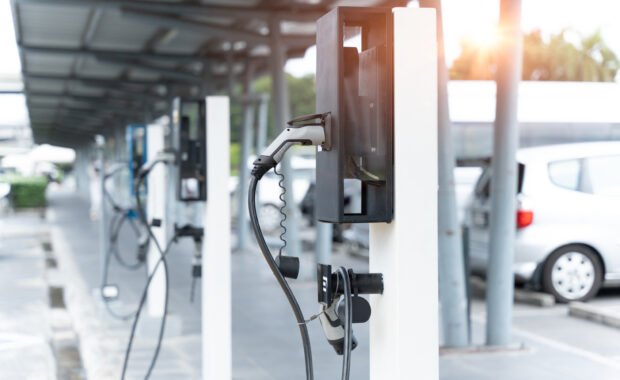
We covered this in detail elsewhere, but it’s worth repeating: charging isn’t as universally convenient as fueling up at a petrol pump yet, especially outside major cities.
Battery Degradation — A Genuine Long-Term Concern
Here’s something salespeople rarely emphasize enough. EV batteries degrade over time, typically losing some capacity after 5-8 years of use. Most manufacturers offer 8-year battery warranties, but replacement costs post-warranty can be significant.
- Battery replacement can cost anywhere from ₹2-5 lakh depending on the model
- Degradation rate varies based on charging habits and climate
- Fast charging frequently can accelerate degradation slightly
Resale Value Uncertainty
Since EVs are relatively new in the Indian market, long-term resale value data is still limited. This makes it harder to predict depreciation compared to well-established petrol/diesel models.
Who Should Actually Buy an Electric Car Right Now?
I’d say EVs make the most sense for:
- Urban dwellers with home charging access
- People with predictable daily commutes under 100 km
- Buyers who plan to keep the car for 5+ years to recoup savings
If you’re someone who does frequent long highway trips without predictable charging access, a hybrid might genuinely serve you better right now.
[link to related guide about petrol vs diesel vs electric comparison here]
My Honest Opinion
I’ll be direct — I think electric cars are genuinely the future, but “future” doesn’t mean “right now for everyone.” For city-based buyers with home charging, it makes complete sense. For rural or highway-heavy users, the infrastructure just isn’t quite there yet.
FAQs
Q1. What are the biggest pros of buying an electric car? Lower running costs, minimal maintenance, and a smoother driving experience are the biggest advantages.
Q2. What’s the biggest downside of electric cars in India? Higher upfront cost and still-developing charging infrastructure remain the main concerns.
Q3. Do electric car batteries degrade over time? Yes, typically losing some capacity after 5-8 years, though most come with 8-year warranties.
Q4. Is electric car resale value good in India? It’s still uncertain due to limited long-term market data, unlike established petrol/diesel resale trends.
Q5. Who should consider buying an electric car right now? Urban buyers with home charging access and predictable short commutes benefit the most currently.
Conclusion
Weighing electric car pros and cons honestly, the technology genuinely makes sense for the right buyer profile — city commuters with home charging access who plan to keep their car long-term. It’s not a universal solution yet, but it’s closer than most skeptics admit. Do the math on your own driving habits before deciding, rather than just following the hype cycle.
Alt text suggestions:
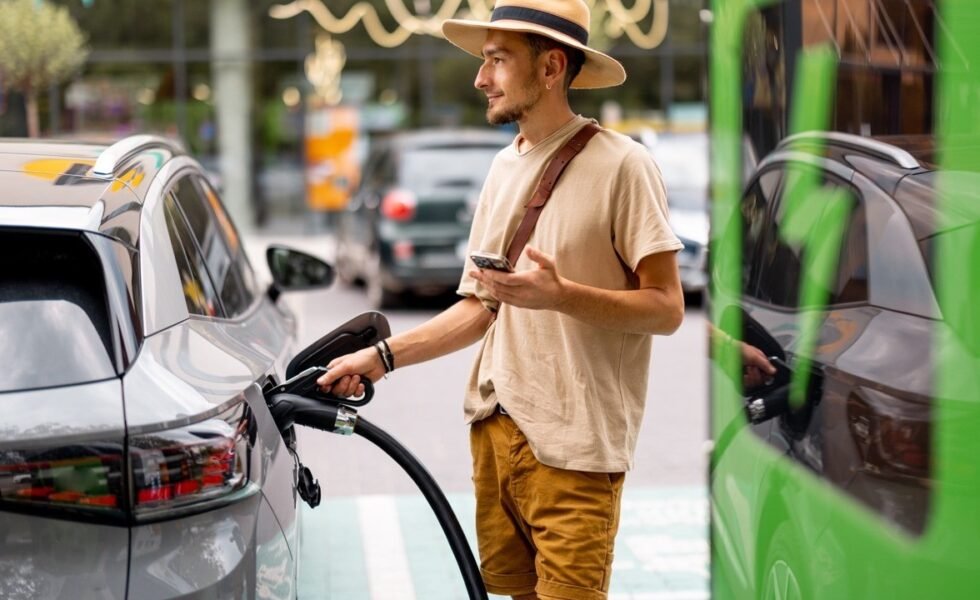
- Electric car charging cable plugged into home charger
- Side by side comparison of electric and petrol car
- EV battery pack diagram showing degradation concept
You have reached the end of this Motoraxo resource. Continue with a related track briefing below.