This Motoraxo track dossier breaks the subject into clear, numbered laps so the important facts, comparisons and ownership takeaways are easy to scan.
Every year, monsoon brings a fresh set of driving challenges — waterlogged streets, reduced visibility, and unpredictable road surfaces. Following proper monsoon driving tips India conditions genuinely demand can mean the difference between a stressful commute and a dangerous situation.
Pre-Monsoon Vehicle Preparation
Before monsoon even arrives, a few preparation steps genuinely help:
Quick answer: Essential monsoon driving tips India roads require include checking tire tread depth, testing wiper functionality, avoiding waterlogged roads, and maintaining safe following distance in reduced visibility.
- Check tire tread depth — worn tires significantly reduce grip on wet roads
- Test wiper blades and replace if they’re leaving streaks
- Ensure headlights and taillights work properly for reduced visibility conditions
- Check underbody rust protection, especially for older vehicles
Judging Waterlogged Roads — When to Turn Back
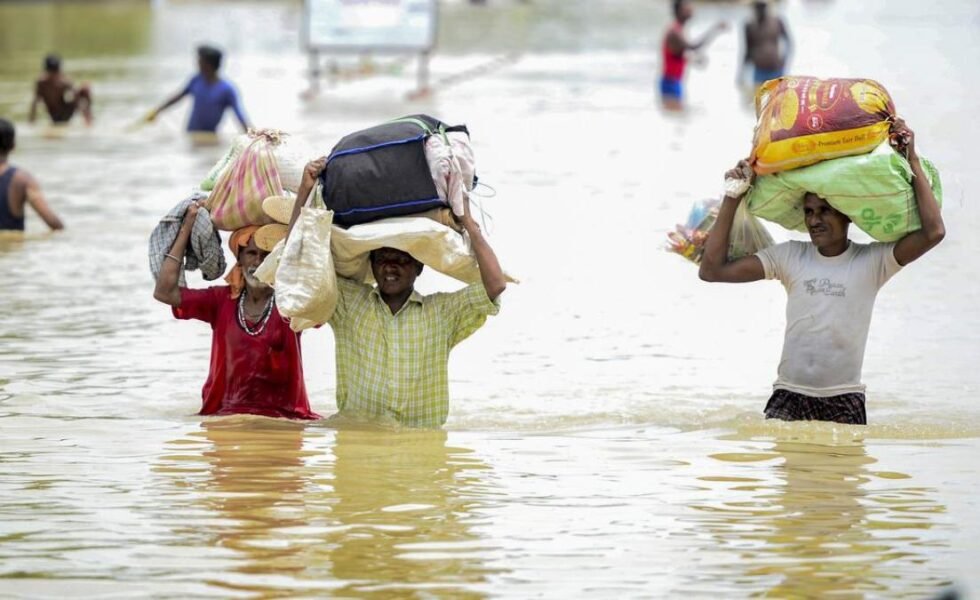
This is genuinely one of the trickiest judgment calls during monsoon. As a rough guide, if water level appears to be above your vehicle’s exhaust pipe or reaches mid-wheel height, it’s safer to find an alternate route.
I’ve seen people push through water that clearly looked too deep, only to get stranded with a stalled engine — not a situation you want to deal with in the middle of a flooded street.
Driving Technique for Wet Roads
- Reduce speed significantly compared to dry conditions
- Increase following distance to at least double your normal gap
- Avoid sudden braking — apply brakes gently and earlier than usual
- Turn on headlights even during daytime for better visibility to other drivers
[link to related guide about car maintenance checklist here]
Handling Hydroplaning Situations
If your vehicle starts hydroplaning (losing tire contact with the road surface), stay calm — don’t brake suddenly or turn sharply. Ease off the accelerator gently and let the vehicle naturally regain traction.
Visibility Challenges During Heavy Rain
Heavy rainfall dramatically reduces visibility. Use headlights (not high beams, which can create glare and reflection off rain), and if visibility becomes genuinely dangerous, consider pulling over safely until conditions improve slightly.
[link to related guide about best dashcam for cars India here]
Two-Wheeler Specific Monsoon Considerations
For bike and scooter riders, monsoon brings additional challenges — reduced tire grip, water splashing from puddles affecting visibility, and slippery painted road markings that become genuinely dangerous when wet.
- Reduce speed more significantly than four-wheelers would need to
- Avoid sudden lane changes or sharp turns on wet surfaces
- Wear appropriate rain gear to maintain visibility and comfort
[link to related guide about bike riding safety gear here]
Emergency Preparedness During Monsoon Commutes
Keep a basic emergency kit accessible — flashlight, phone charger, and emergency contact numbers — since monsoon-related delays or breakdowns are genuinely more common during this season.
FAQs
Q1. How deep is too deep to drive through waterlogged roads? If water reaches your exhaust pipe or mid-wheel height, it’s generally safer to find an alternate route.
Q2. What should I do if my car starts hydroplaning? Stay calm, ease off the accelerator gently, and avoid sudden braking or sharp steering movements.
Q3. Should I use high beams during heavy monsoon rain? No, high beams can create glare and reflection off rain, actually reducing visibility further.
Q4. Are two-wheelers more dangerous to ride during monsoon? Yes, reduced tire grip and slippery road markings make monsoon riding significantly riskier for two-wheelers.
Q5. What pre-monsoon checks should I do on my vehicle? Check tire tread depth, wiper functionality, and headlight/taillight operation before monsoon season begins.
Conclusion
Following proper monsoon driving tips India roads genuinely require can significantly reduce your risk during the challenging rainy season months. Prepare your vehicle beforehand, adjust your driving technique for wet conditions, and know when it’s simply safer to wait out particularly heavy rainfall. A little extra caution during monsoon goes a long way toward keeping you and other road users safe.
Alt text suggestions:
- Car driving through waterlogged street during monsoon
- Wiper blades clearing heavy rain on windshield
- Motorcycle rider wearing rain gear during monsoon commute
You have reached the end of this Motoraxo resource. Continue with a related track briefing below.